
What to Expect on a Photography Tour: From First Light to Image Review
Oct 06, 2026
By Neal Nachman and Liz Stokes, Artistic Creationz Photography
What happens on a photography tour after everyone has charged their batteries and arrived at the meeting place? The most useful answer is not a list of stops. A day in the field is a series of decisions about light, subjects, access, safety, and the photographs you want to make. The plan gives us a starting point; the conditions in front of us tell us what to do next.
Neal Nachman and Liz Stokes are developing Artistic Creationz Photography Tours around that approach. The day below is an illustration of how a landscape or wildlife experience could unfold, not a confirmed itinerary or a promise of particular locations, weather, or sightings. Each released tour will describe its actual schedule, instruction, physical demands, and inclusions.

Before first light: Start with a photographic question
An early start makes sense only if there is something worth doing with that light. Before heading out, we would consider the weather, safe access, the direction of the sun, and what the place might offer. Is the goal a broad landscape, a small study of texture, birds in their habitat, or a particular camera skill? A clear question helps us choose a location and arrive ready to work, while leaving room for the unexpected.
At a coast, wind and tide can matter as much as the time of sunrise. Still water may hold a reflection; rough water may give movement and energy. A cloud bank could conceal the color we expected but soften the light on a more interesting subject. We would rather notice that change and make a better photograph than chase the picture we imagined the night before. Our Journal guide to sunrise versus sunset photography explains why the direction and quality of light matter more than a favorite hour.
At the first location: Slow down enough to see
Arriving at a promising place is not the same as finding a composition. Take a few minutes to look without the camera. Where is the strongest subject? What sits behind it? Is there a line, reflection, patch of color, or open space that helps the picture hold together? A step to either side can change the relationship among those elements. It is often more useful than taking another frame from the first place you stood.
Field guidance can be practical and immediate. If highlights are disappearing from a bright sky, check the exposure and the histogram. If water is moving, compare a faster shutter speed that shows its texture with a slower one that changes its shape. If a long lens makes the view too tight, try a wider frame that gives the subject a setting. The point is to make a choice, see its effect, and adjust while the opportunity is still in front of you.
There should also be time to work an idea past the first acceptable photograph. Perhaps the light moves across the foreground, or a cloud briefly separates a distant ridge from the sky. Those minutes can make the difference between recording where you were and making an image that expresses why it mattered.
When wildlife is the subject: Observation sets the pace
A wildlife morning has a different rhythm. We may spend more time watching than pressing the shutter. An animal's posture, travel path, feeding behavior, and response to people help us decide where to stand and when to remain still. A pleasing background is useful, but not at the cost of moving too close or interrupting natural behavior.
Imagine a wading bird working along a marsh edge. A tight portrait is one possibility. A wider frame might show the water, reeds, and light that explain its habitat. We can watch where the bird is going, prepare our settings, and allow the moment to develop. We do not bait wildlife or force a bird into flight for a photograph. Posted rules, closures, and the animal's welfare set the boundaries.
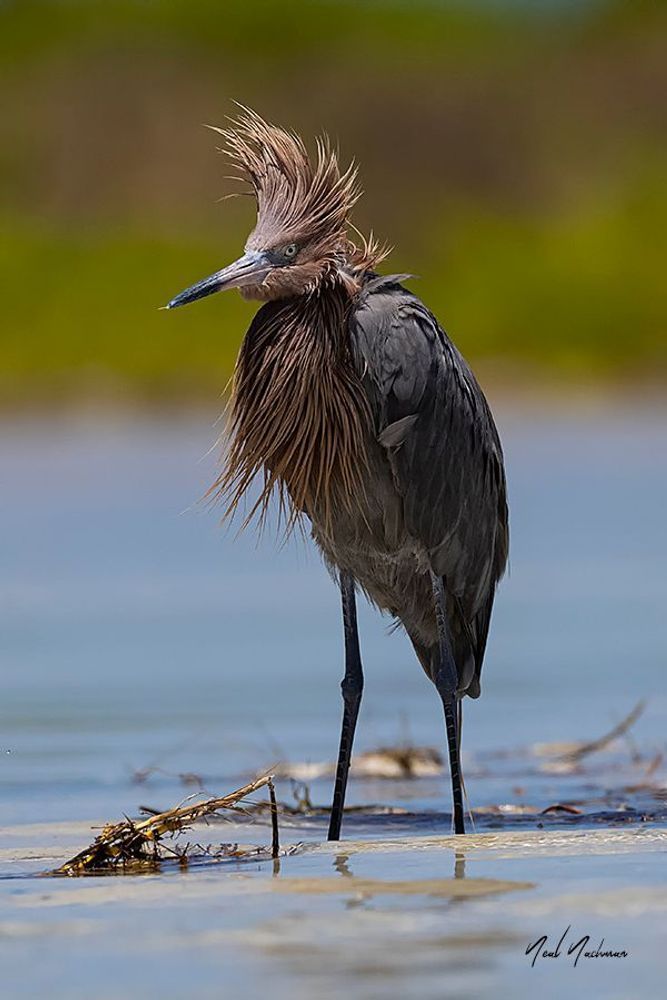
Every planned Artistic Creationz Florida experience is land-based. Boardwalks, trails, beaches, and other permitted viewpoints can offer productive opportunities without a boat. Our article on photographing Florida wildlife from land shares the fieldcraft behind that approach.
Between sessions: Review, reset, and adapt
The middle of a tour day is not necessarily wasted time between two dramatic skies. It can be an opportunity to check focus and exposure on the images already made, change batteries and cards, clean a lens, discuss a composition, or rest before another field session. When the itinerary allows, looking at a few frames together can turn a vague feeling that something is missing into a useful adjustment: a cleaner edge, a different shutter speed, or a stronger relationship between subject and background.
Image review may be informal, brief, or part of a dedicated session, depending on the released tour. It is not a promise that every day includes a full critique. The larger idea is to carry what you learned in one location into the next. Photographs improve when you can recognize a decision in time to change it.
When the plan changes: Keep photographing
Weather, light, access, and wildlife activity can all change a field plan. A location may be less productive than expected. A bright afternoon might make a broad landscape difficult but reveal patterns in shade. A bird may not appear, while a quieter environmental photograph is waiting nearby. Flexibility does not mean aimless wandering; it means knowing what other photographic questions the place can answer.
On a landscape day, we might move from the distant view to reflections, rock shapes, or a small area of side light. On a wildlife day, a lull may be time to study habitat, backgrounds, or exposure on a stationary subject. The useful result is not a guaranteed portfolio image at every stop. It is more informed seeing and a better response to the conditions you actually encounter.
At the end of the day: Take the lessons home
A good field day can produce strong files, but it should also leave you with choices you understand. Which photograph became better when you waited? When did a change of position solve a distracting background? Which camera setting helped, and which problem was really about composition? Even a missed opportunity can teach you what to watch for next time.
That is the appeal of a photography-centered experience. You spend time in a place with a purpose, receive guidance when it is useful, and practice making your own decisions. The exact balance of instruction, travel, field time, and image review should be clear in each tour's final details. If you are comparing different formats, our article on photography workshops versus tours explains what to look for.
How to plan for an Artistic Creationz experience
Our tour program is in development, with first destination experiences planned from summer 2027 onward. No departure is currently open for paid booking. Dates, prices, routes, hosts, group caps, fitness requirements, permits, and inclusions will be confirmed for each experience before booking opens. Wildlife, weather, and particular light are never guaranteed.
You can explore the 2027 tour concepts, read the Photography Tour FAQs, and join Early Access to tell us what you most want to photograph. The interest list is free, does not reserve a place, and creates no payment obligation. Your answers help us shape experiences around the subjects and seasons photographers care about most.