
Wildlife Photography Workshop vs. Photography Tour: Which Experience Is Right for You?
Sep 11, 2026
By Neal Nachman and Liz Stokes, Artistic Creationz
Wildlife photography workshops and photography tours often sound interchangeable. Both may involve an early start, a long lens and time spent watching an animal do something entirely unscripted. The useful distinction is how the experience organizes your time: around learning specific skills, around photographic opportunities in a destination, or around a thoughtful combination of the two.
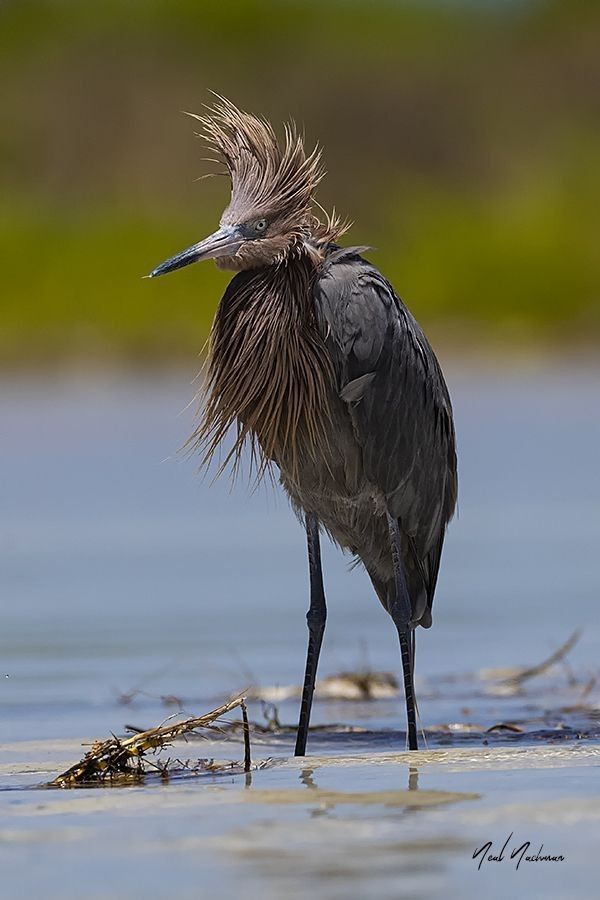
At Artistic Creationz, our landscape and wildlife work begins with the same question: what makes this photograph meaningful? Choosing an experience is easier when you ask an equally specific question about yourself. Do you want help understanding your camera, more time with a particular subject, or guidance turning a promising scene into a finished image?
What a wildlife photography workshop usually emphasizes
A workshop generally gives instruction a central role. That might mean practicing autofocus with moving birds, comparing shutter speeds, learning to expose white feathers or reviewing why a photograph feels cluttered. The strongest learning happens when a photographer can try something, receive useful feedback and try again while the lesson is still fresh.
Imagine photographing a wading bird against bright water. You might know the exposure is difficult without knowing what to change. A teaching session can help you separate the decisions: protect important feather detail, choose a shutter speed for the bird's movement and inspect the background before pressing the shutter. Understanding that sequence is a skill you can take home.
The word workshop does not guarantee a particular amount of instruction. Ask how teaching happens, whether participants work at different skill levels and whether image review is included. A conversation about your goals is more useful than assuming that every workshop follows the same format.
What a photography tour usually emphasizes
A photography tour generally organizes travel and field time around a destination's photographic possibilities. Light, habitat, access and the time needed to work a location become central planning questions. Participants may already be comfortable operating their cameras and want the opportunity to concentrate on making photographs.
Instruction can still be substantial. Some tours include personal guidance throughout the day; others expect greater independence. Likewise, a workshop may travel between locations. Read the actual description instead of relying on the label alone.
For wildlife, flexibility matters in either format. An animal may remain hidden, move away or continue resting. A worthwhile experience should have a responsible response to those conditions, whether that means studying habitat, switching to landscapes or simply allowing more observation time.
Compare the experience against your goals
If missed focus frustrates you, prioritize direct help with focus-area selection, tracking and technique. If you can operate the camera confidently but struggle to create variety, look for guidance on backgrounds, environmental portraits and visual storytelling. If your main goal is exploring a landscape-rich destination with wildlife possibilities, ask how those subjects are balanced.
Pace deserves equal attention. A busy itinerary with many stops may leave little time to refine a composition. A patient field session can suit someone who enjoys watching behavior, but feel slow to a traveler hoping to cover more ground. Neither preference is wrong; the mismatch is what causes disappointment.
Ask about walking surfaces, carrying equipment, rest periods, expected starts and the final group size. A small group is useful only when the schedule and location allow people to work comfortably. Clarify the host arrangements and how individual questions are handled rather than assuming a photographer-to-guide ratio.
Responsible fieldcraft belongs in both
The animal's welfare should never depend on what the experience is called. Avoid baiting, crowding, blocking movement or encouraging an animal to react for the camera. Follow the site's rules and give wildlife enough space to continue its natural activity. A long lens is a tool for working at a respectful distance, not a reason to move closer.
Our earlier Journal article on wildlife photography in Tampa Bay explores the relationship between patience, light and fine-art imagery. Those priorities apply whether you are learning close to home or considering a destination experience.
Where Artistic Creationz fits
Our Photography Tours program is being developed around small groups, landscape and wildlife opportunities, and personal photographic guidance. The first destination experiences are planned from summer 2027 onward. Final group sizes, hosts, physical requirements and operating details will be stated with each released itinerary.
Every planned Florida experience is land-based. Tour concepts remain in development, with no paid bookings open. The goal is to help photographers think about light, behavior and composition while making room for the character of the destination.
Choose the questions before choosing the trip
Write down three things you want to improve and two subjects you most want to photograph. Compare those priorities with the instruction, pace and field opportunities described by the organizer. Ask what is confirmed, what remains provisional and how the experience adapts when wildlife or weather does not cooperate.
To share your interests with Neal Nachman and Liz Stokes, join Photography Tours Early Access. It is free and non-binding, does not reserve a place and creates no payment obligation. You can also explore our wildlife fine-art collection to see how observation and photographic choices become finished images.