

Why Landscape Photography Makes Powerful Wall Art
Aug 31, 2026
There is something about a great landscape photograph that can change the feeling of an entire room.
A sweeping mountain range, a quiet lake reflecting the morning sky, the warm glow of sunset along a coastline, or a lone tree silhouetted against dramatic color can do more than simply decorate an empty wall. Landscape photography can create a sense of place, scale, emotion, and escape.
At Artistic Creationz, landscape photography has become an important part of our fine art collection. As a husband-and-wife photography team, Neal Nachman and Liz Stokes photograph the places and moments that stop us in our tracks — scenes where light, weather, color, and location come together for only a short period of time.
Those moments can become particularly powerful when they are transformed into large-scale photographic wall art.
Landscape Photography Brings the Outdoors Into Your Space
One reason landscape photography works so well as wall art is its ability to visually open a room.
A photograph of a distant mountain range, peaceful lake, expansive coastline, or dramatic horizon naturally creates depth. Instead of looking at a flat wall, the viewer is drawn into a scene that appears to extend far beyond the room.
That feeling can be especially effective in living rooms, bedrooms, offices, reception areas, conference rooms, and other spaces where you want the atmosphere to feel more inviting.
The right landscape can make a room feel calm, dramatic, adventurous, warm, or even mysterious.
It becomes more than something hanging on the wall. It becomes a window into another place.
Large Landscape Prints Can Transform a Room
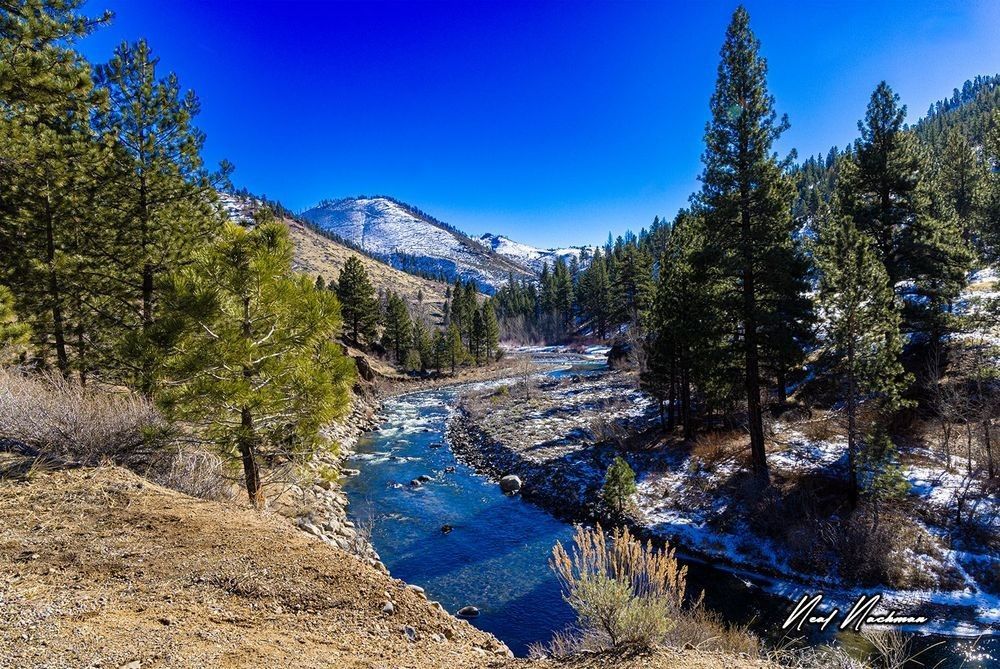
Landscape photography is particularly well suited to larger print sizes.
Many landscapes contain broad compositions and layers of detail that become more impressive as the artwork increases in size. Mountains become more imposing. Reflections become more immersive. Clouds stretch across the wall. Fine details in rocks, trees, water, or distant terrain become easier to appreciate.
An oversized landscape photograph can become the centerpiece of a room rather than simply another decorative element.
Instead of filling a large wall with several smaller objects, one strong photographic statement piece can create a cleaner and more gallery-like appearance.
This is especially true with panoramic landscapes and photographs composed with strong horizontal lines.
Above a sofa, bed, fireplace, credenza, reception desk, or conference table, a large landscape photograph can visually anchor the entire space.
The Emotional Connection to a Landscape
The most meaningful artwork often creates an emotional response.
Landscape photography has a unique ability to do that because places are closely connected with memories.
A mountain photograph might remind someone of a favorite vacation.
A coastal scene might bring back summers spent near the ocean.
A peaceful lake may remind someone of mornings spent fishing, kayaking, or simply sitting beside the water.
Even when a viewer has never visited the exact location shown in a photograph, the scene can still create a feeling.
Calm.
Freedom.
Adventure.
Wonder.
Nostalgia.
That emotional connection is one reason people often choose landscape photography for spaces where they spend a great deal of time. The artwork becomes something they enjoy experiencing repeatedly rather than simply something chosen to match the furniture.
Light Is What Makes a Landscape Come Alive
Landscape photography is often as much about light as it is about location.
The same place can look completely different depending on the time of day, weather conditions, season, and direction of the light.
Early morning can produce cool blues, soft reflections, mist, and gentle color.
Golden-hour light can transform ordinary terrain into layers of warmth.
Sunset can create brilliant oranges, reds, purples, and pinks across a sky that may last for only a few minutes.
Storm clouds can turn a peaceful scene into something dramatic and powerful.
And sometimes the most interesting photograph happens after most people would have already packed up and gone home.
Photographers learn to watch these changes and wait for the moment when everything comes together.
That moment may last several minutes.
Sometimes it lasts only seconds.
The finished photograph allows that moment to continue long after the light has disappeared.
Why Sunrise and Sunset Landscapes Are So Striking
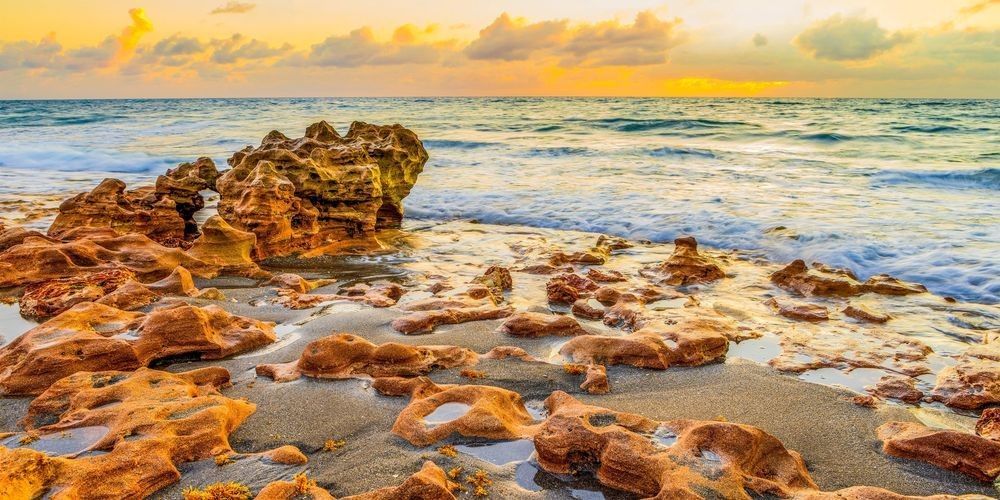
Sunrise and sunset are among the most visually dramatic times to photograph a landscape.
During those brief periods, the color of the sky can completely transform a scene.
A location that might appear relatively ordinary in midday light can become extraordinary when the horizon begins to glow.
The direction of the light can reveal texture in mountains, illuminate clouds from underneath, create reflections across water, and produce a depth of color that simply does not exist during other parts of the day.
Those colors can also make sunrise and sunset photography especially powerful as wall art.
Warm tones can bring energy and richness into a room, while cooler twilight colors can create a quieter and more relaxing atmosphere.
Landscape Photography Doesn't Always Have to Be Grand
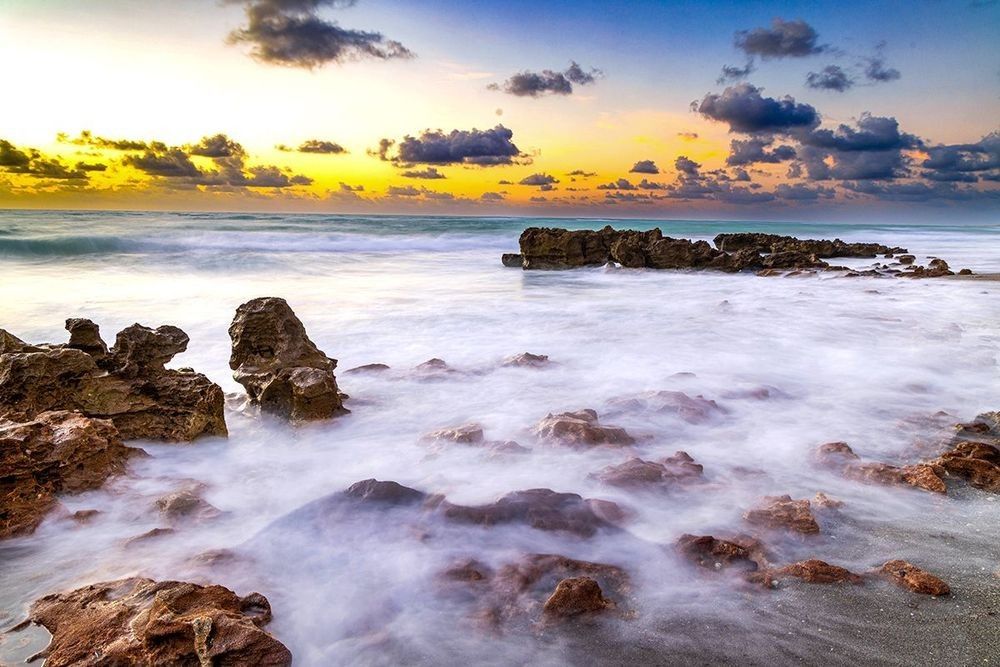
Not every powerful landscape photograph needs a towering mountain or enormous waterfall.
Sometimes the strongest scene is much simpler.
A lone tree.
A quiet path.
A weathered shoreline.
A patch of light breaking through the clouds.
A reflection on still water.
A simple composition often creates artwork that feels peaceful and timeless.
These quieter landscapes can work beautifully in bedrooms, reading areas, offices, and other spaces where you want the artwork to complement the room rather than dominate it.
The beauty of landscape photography is the range of emotions it can create.
Some photographs whisper.
Others demand attention.
Choosing Landscape Art for Your Home
When choosing landscape photography for your home, begin with the image rather than the furniture.
Ask yourself which scene you genuinely enjoy looking at.
Would you rather be surrounded by mountains, forests, beaches, lakes, deserts, or dramatic skies?
Do you respond more strongly to warm colors or cool colors?
Would you like the artwork to create energy in the room, or would you prefer something peaceful?
Once you find a photograph that connects with you, then consider how it will work within the space.
Color can certainly help tie the artwork into a room, but the photograph does not need to perfectly match every furnishing.
In many cases, artwork is more interesting when it provides contrast.
The most important question is simple:
Do you want to keep looking at it?
Because that is what you will be doing for years.
Landscape Photography in Offices and Commercial Spaces
Landscape artwork is also an excellent choice for professional environments.
Offices, hotels, medical facilities, conference rooms, reception areas, restaurants, and corporate spaces often benefit from artwork that is visually interesting without becoming distracting.
Nature photography can create that balance.
A peaceful landscape can soften a professional environment and make the space feel more welcoming.
A dramatic landscape can communicate strength, scale, exploration, or ambition.
Large landscape photography is particularly effective in reception areas and conference rooms where there may be substantial wall space to fill.
Instead of using generic decorative artwork, original fine art photography can give the environment a stronger sense of character.
Why Landscapes Look Beautiful on Metal
Many Artistic Creationz landscape photographs are available as dye-sublimation metal prints.
Metal is an especially effective presentation for landscapes because of the clarity, contrast, and depth it can bring to the image.
Rich skies can appear more luminous.
Water reflections gain depth.
Fine details in trees, rocks, mountains, and clouds remain crisp.
Colors can feel vivid without requiring a traditional frame or glass covering the photograph.
The clean presentation also works particularly well with contemporary interiors.
Because there is no heavy frame surrounding the image, the scene itself remains the focus.
For a large landscape print, that can create an immersive, gallery-style presentation.
Every Landscape Begins With Being There
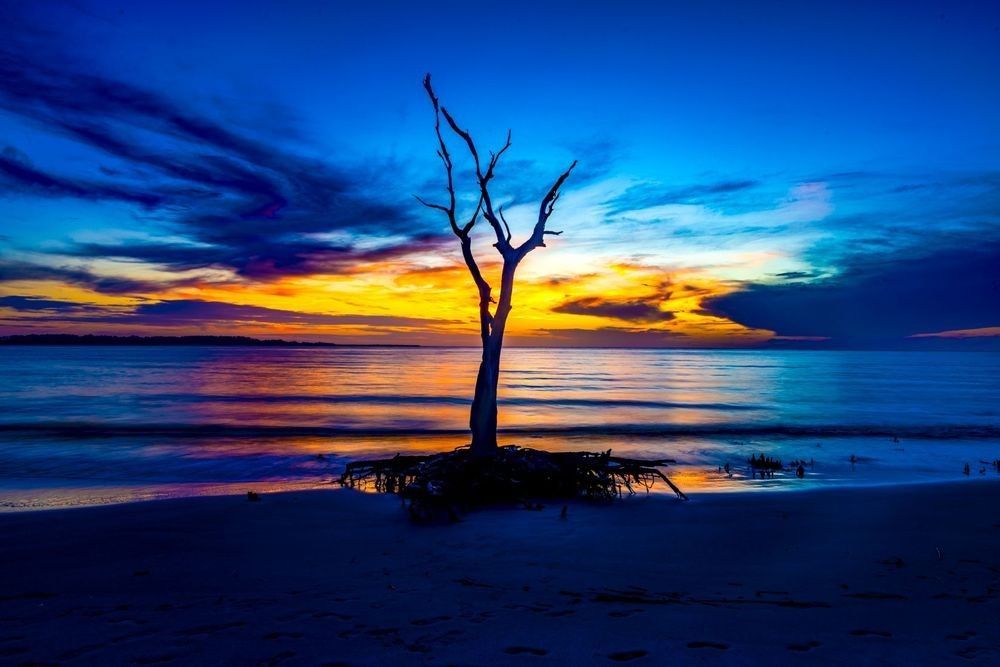
A finished photograph may look peaceful.
Creating it is not always peaceful.
Landscape photography often involves early mornings, long drives, changing weather, scouting unfamiliar locations, carrying equipment, watching forecasts, returning to the same place more than once, and sometimes standing around wondering whether the light is going to cooperate at all.
Sometimes it does.
Sometimes it doesn't.
That uncertainty is part of what makes landscape photography exciting.
You cannot completely control what nature gives you.
You can choose the location, the composition, the lens, and the camera settings. But you cannot command the clouds to move into the perfect position or tell the sunset exactly which colors to produce.
You have to be there when it happens.
And when the conditions finally come together, there is a very small window to capture it.
From a Moment in Nature to Fine Art
That is ultimately what makes landscape photography special to us.
The photograph begins as a real place and a real moment.
The wind was blowing.
The water was moving.
The clouds were changing.
The sun was rising or disappearing below the horizon.
We were standing there watching it happen.
When that photograph eventually becomes a finished piece of fine art, the goal is to preserve some of the feeling we experienced when we made the image.
For us, that is what landscape photography is really about.
It is not simply a picture of a location.
It is a moment in nature that may never happen exactly the same way again.
And when the right landscape becomes part of someone's home or workspace, that moment gets to live on — every single day.
If changing light and composition inspire you to make photographs of your own, explore our planned Florida landscape workshops and small-group landscape instruction. Share your preferred destinations through free 2027 Early Access.