
What Makes a Photograph Fine Art? The Choices Behind the Image
Sep 29, 2026
By Neal Nachman and Liz Stokes, Artistic Creationz Photography
People sometimes ask us what makes a photograph fine art. We understand why the question comes up: the camera records a real place or a real animal, and the finished image can look effortless. Yet the decision to press the shutter is only one part of the work. We choose where to stand, what to leave outside the frame, when to wait, and which of many possible images says something worth keeping.
For us, fine art photography is a point of view expressed through a photograph. It may begin with a mountain shoreline, a bird, or an unexpected gesture. The subject matters, but so do the relationships among light, shape, color, and space. A strong image can bring someone back to the same feeling long after the instant itself has passed.
Start with a reason to make the frame
We try to be honest about what caught our attention. Was it the rhythm of rocks across the water? An animal's expression? A break in the clouds? That first reaction becomes a guide. When we move the camera, change lenses, or wait for a different moment, we ask whether the frame makes that feeling clearer.
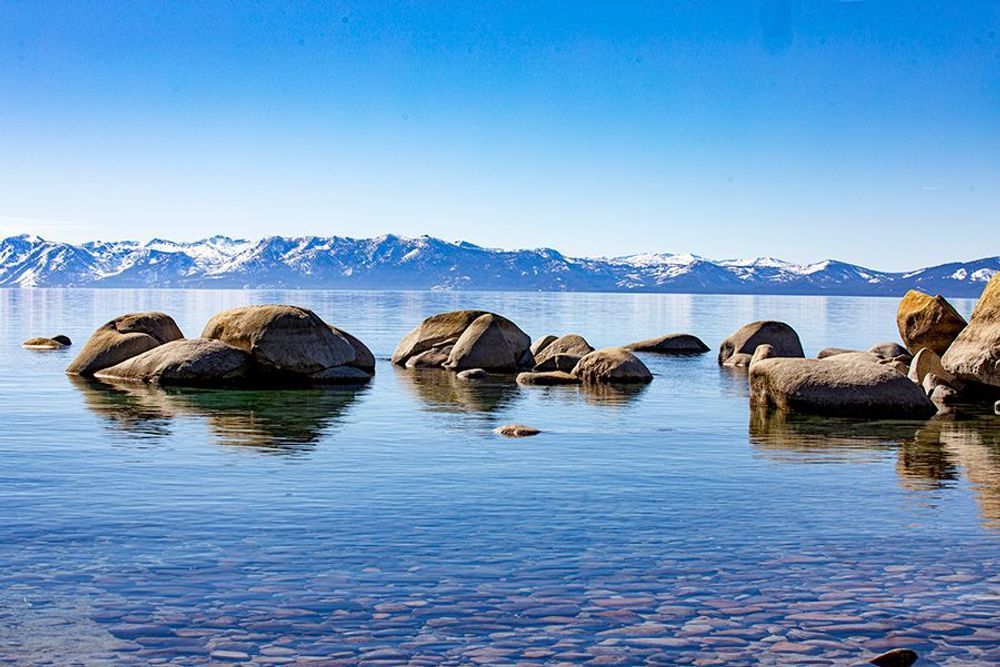
In Glass of the Sierra, the rounded boulders provide a visual path across Lake Tahoe's still water toward a distant snowy ridge. We wanted the open sky to feel generous, while the rocks gave the eye a place to begin. The scene is beautiful on its own; the fine art choice is how those elements are held together.
That same attention to structure appears throughout our landscape and architecture photography collection. It is also why a good subject does not automatically make a good photograph. We have to find a way for a viewer to enter the picture and remain there.
Let the subject keep its own character
Wildlife gives us very little control, which is part of its appeal. We can choose position and background, but we cannot direct an egret's feathers or ask it to hold a pose. Patience gives us a chance to see a gesture that reveals more than a tidy identification portrait would.
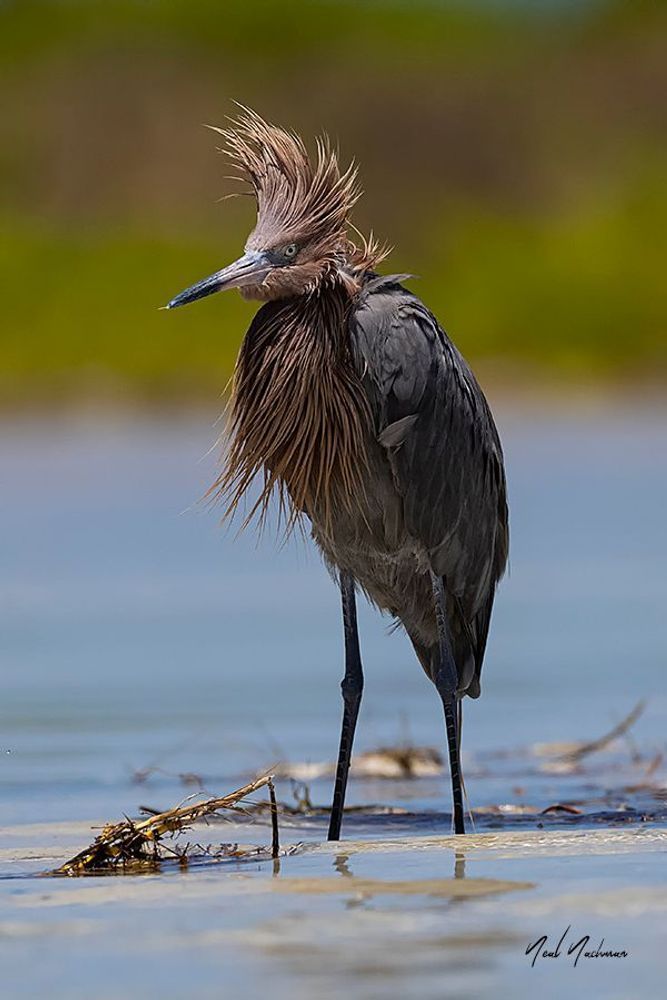
Bad Hair Day is a favorite example. The reddish egret stands in shallow water with its shaggy crest flaring in several directions. Its upright stillness and unruly feathers make the image amusing without making the bird seem like a prop. The soft green background and simple waterline give that personality room to come forward.
We look for that sense of presence in our wildlife photography collection. It is one reason we keep watching after the first technically sharp frame. Sometimes the animal's next movement changes the entire story.
Use space as deliberately as detail
Not every frame needs a busy setting. A plain background can make color, line, and movement more visible. We think of empty space as an active part of the composition, especially when a subject is moving through it.
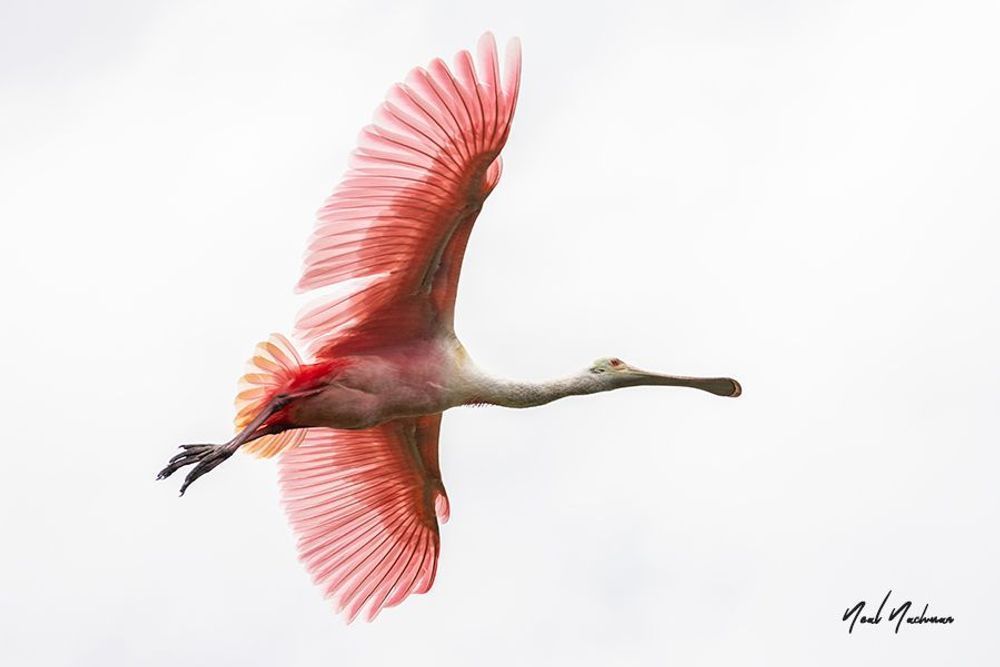
In Roseate Passage, a spoonbill crosses a pale sky with pink wings spread wide. The bird's long bill and trailing legs make a clear horizontal line; the wings bring a softer curve and luminous color. The uncluttered sky allows us to notice those forms immediately. Adding more scenery would change the picture, but it would not necessarily make it stronger.
This is the pleasure of looking through a fine art photography gallery: one image asks us to explore layers of detail; another asks us to pause over a single graceful shape. Neither approach has to win.
Allow mood to belong to the image
We do not try to make every photograph bright, warm, or reassuring. A quieter image can carry more tension and invite a longer look. The useful question is whether the tonal choices support what the subject felt like in the field.
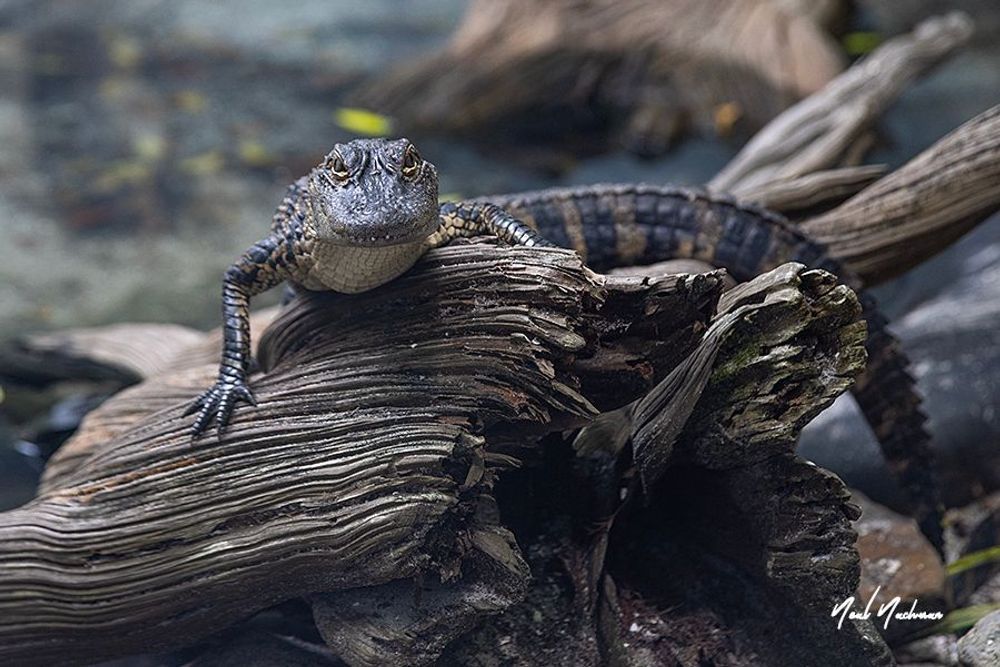
Ancient Eyes holds a young alligator on weathered driftwood in a dark, textured setting. The animal is small, but its gaze gives the picture weight. We would lose some of that feeling if every shadow were lifted until the scene looked evenly lit. Detail matters; so does knowing when darkness belongs.
Landscape light asks for the same judgment. Our recent sunrise versus sunset photography guide looks at how direction, weather, and the scene itself shape the result. We do not apply one fixed look to every photograph.
Selection is part of the artwork
After a session, we return to the images with some distance. We look past the excitement of being there and ask which frame still holds together. Is the main subject easy to find? Does a distracting edge pull the eye away? Does the color feel truthful to the atmosphere we remember? A technically perfect file can lose to a quieter frame with a stronger emotional center.
Editing should clarify the photograph. We may refine contrast, color, or crop to help the viewer see what drew us to the scene. The aim is not to make every sky louder or every animal sharper than life. We want the final image to feel intentional and believable. The photographs that survive that process become part of a collection because we want to keep looking at them ourselves.
The print is another considered choice
A photograph changes when it becomes something you can live with. Surface, size, and room light affect how its tones and details are perceived. A luminous landscape may feel different on metal than on photographic paper; a quiet wildlife portrait may invite a closer, more intimate viewing distance. We consider those choices as part of presenting the work, while allowing collectors to choose the format that suits their space.
If you are comparing surfaces, our metal print versus canvas guide explains the tradeoffs. Our articles on choosing a print size and lighting photographic art at home can help you imagine how a piece will be experienced beyond the screen.
A photograph worth returning to
We cannot offer a formula for fine art photography, and we would not want one. A careful landscape and a mischievous bird portrait can both belong in the same collection because each has a distinct way of seeing. The work asks us to pay attention, make choices, and leave enough room for the viewer's own connection.
Explore our fine art photography galleries and Collector Gallery to see how different images live beyond the camera. You can follow new stories in the Photography Journal, learn about our photography tours, or contact us if a particular photograph stays with you.